
⚡ Quick summary
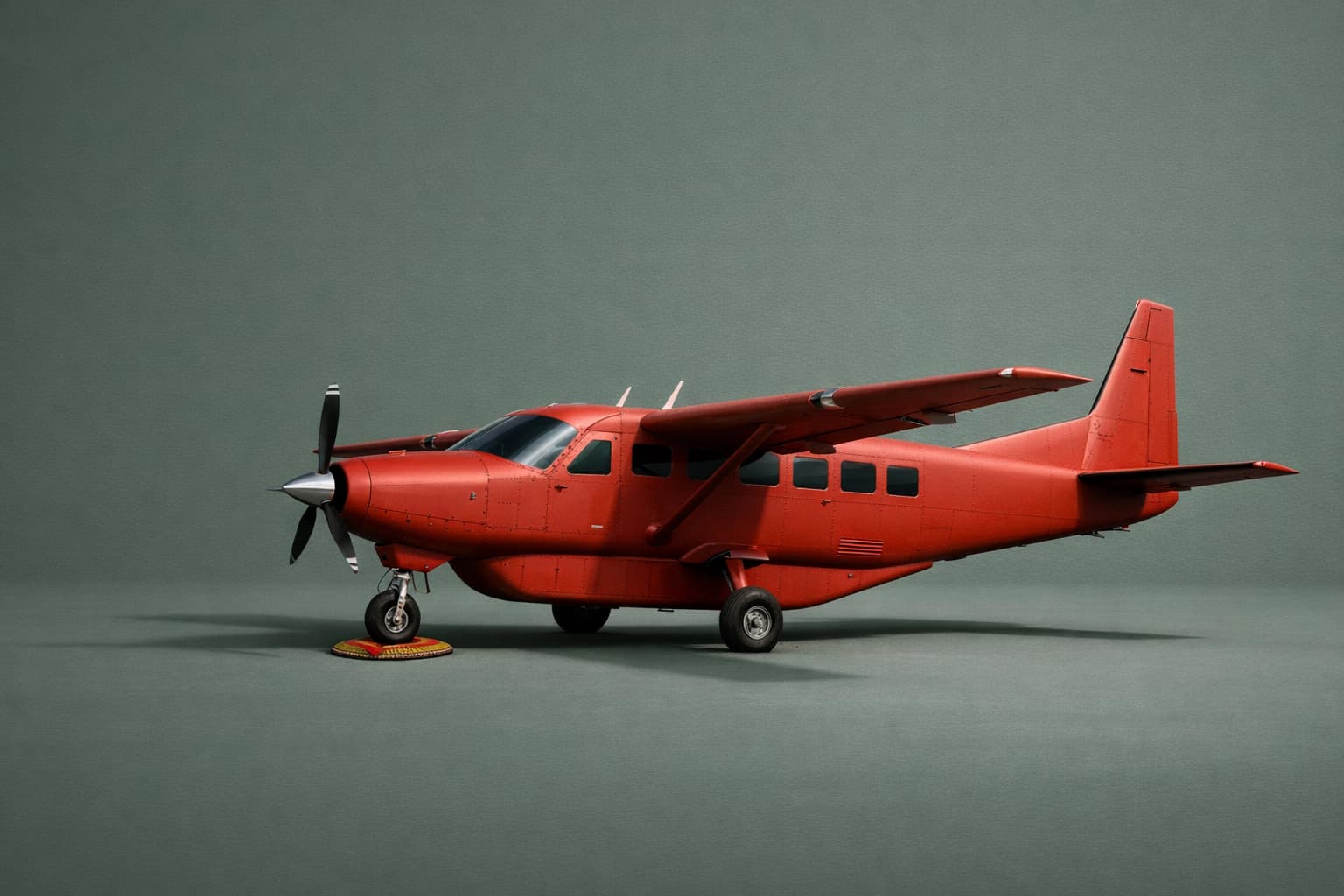
For safari flights to bush strips. Use local operators like Yellow Wings, Boskovic Air Charters, or Airkenya. They fly Cessna Caravans daily and know every dirt runway in Kenya.
For corporate jets within East Africa. Contact Phoenix Aviation. They have Citation jets and King Airs based at Wilson Airport with fast turnaround times.
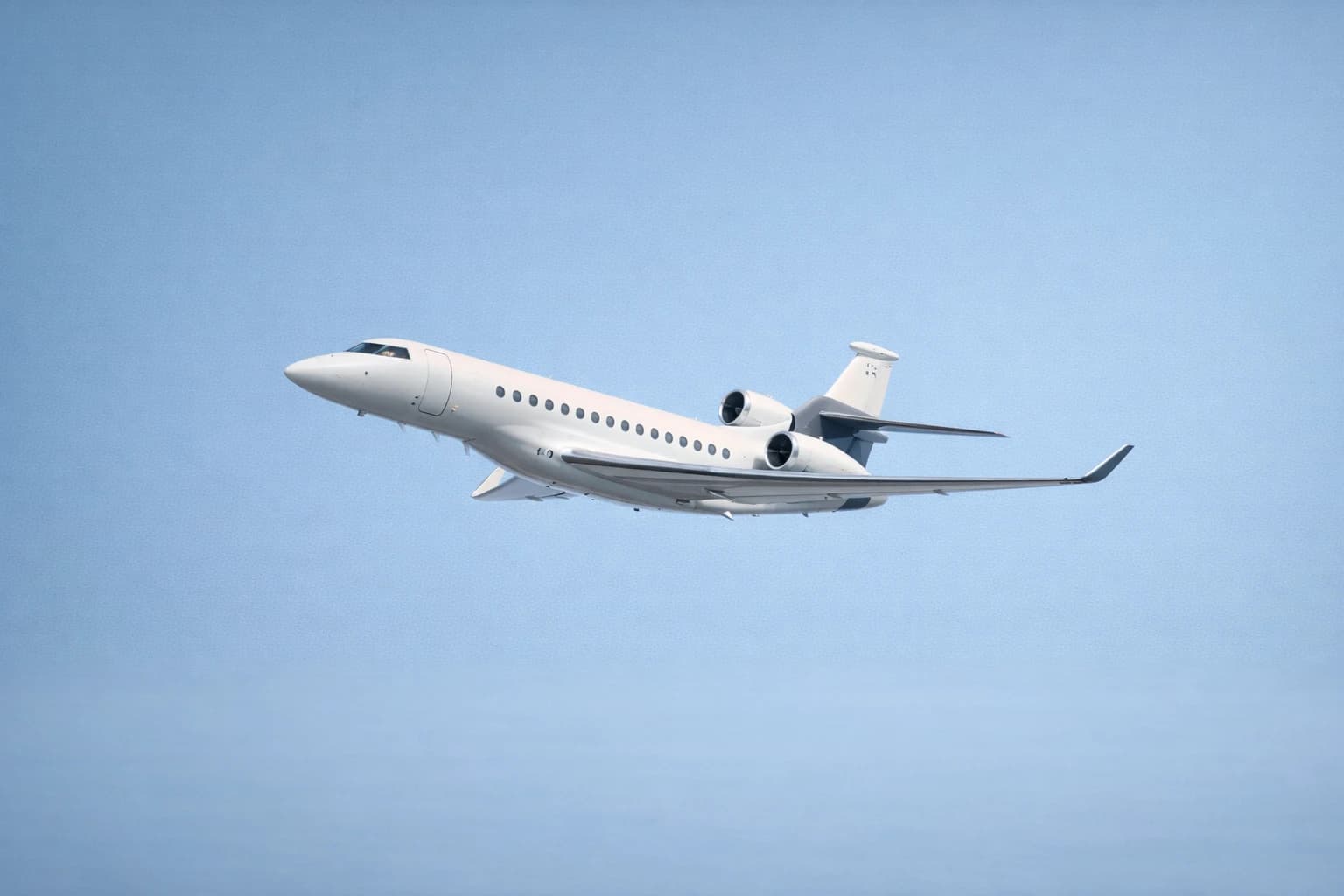
For heavy jets to Europe or Asia. Work with brokers like Canary Jet Charter or FeelJets. No Gulfstreams are permanently based in Kenya, so you need someone who can position one from Dubai or Europe.
For medical evacuations. Call Phoenix Aviation. They partner with AMREF and operate 24/7 medevac services.
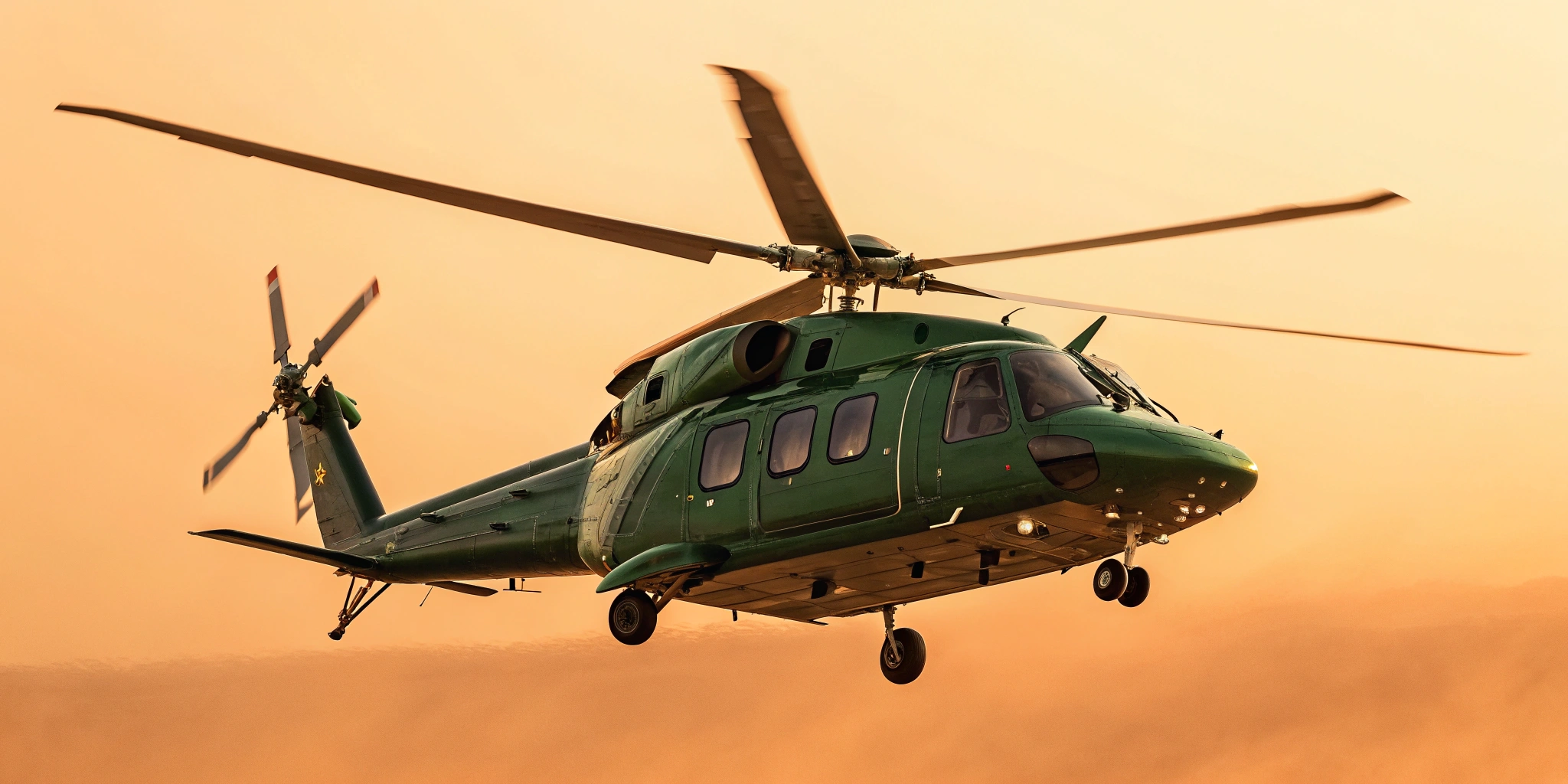
For helicopter safaris. Use Tropic Air Kenya. They're one of the few with bush-certified helicopters in Northern Kenya.
The real answer is this. There's no single best service. You pick based on where you're going, what aircraft you need, and whether that plane is actually in Kenya right now.
Introduction
When searching for the best private jet charter services in Kenya, many travelers expect a simple leaderboard. However, Kenyan aviation works differently. There's no single "best" operator. Only the one that's best for your specific mission.
In Kenya, the private aviation landscape is defined by a unique dual-airport system and diverse terrain. Whether you're landing a heavy jet at Jomo Kenyatta International Airport (JKIA) for a business summit or navigating a rugged bush strip in the Maasai Mara from Wilson Airport, the service you need depends entirely on where you're going and what you're flying.
Why the "Best" depends on your mission
Markets in Europe or the U.S. work differently. Kenyan charter services are highly specialized. To choose the right provider, you need to understand the local ground rules.
The dual-airport reality
Most international-grade heavy jets operate out of JKIA, while the heart of Kenya's domestic and safari charter industry beats at Wilson Airport (WIL). Local operators often have deeper on-ground coordination than remote brokers when navigating these two hubs, helping you avoid unnecessary repositioning costs.
The "Bush Strip" factor
Many of Kenya's most exclusive destinations are only accessible via unpaved runways. This requires specific aircraft like the Cessna Caravan or Beechcraft King Air, and pilots who fly these rugged routes every day.
Logistical complexity
From securing permits for remote conservancies to managing the 06:30 to 20:30 operational window at Wilson Airport, you need local operational experience.
Who operates in Kenya?
Private aviation in Kenya is split between Operators (who own and maintain the planes) and Brokers (who find the best plane for your trip).
1. Local operators
Based in Kenya with their own fleets. Best for direct pricing and regional expertise.
| Operator | Base | Fleet Focus | Best For |
|---|---|---|---|
| Phoenix Aviation | Wilson (WIL) | Citation jets, King Air, Caravan | Corporate travel, medevac |
| Tropic Air Kenya | Nanyuki / Wilson | Cessna Caravans, helicopters | Northern Kenya, heli-safaris |
| Boskovic Air Charters | Wilson (WIL) | Cessna Caravans, King Air 200 | Classic safari circuits |
| Airkenya | Wilson (WIL) | Dash 8, Twin Otter, Caravan | Scheduled and charter park flights |
| Bluebird Aviation | Wilson / JKIA | Dash 8, Beech 1900 | Cargo, large groups, humanitarian |
| Yellow Wings | Wilson (WIL) | Cessna Caravans | Reliable bush flying, safaris |
| ALS Limited | Wilson (WIL) | Regional turboprops and jets | Humanitarian, oil/gas, VIP support |
2. Specialized brokers
Brokers help source planes that might not be in a single operator's hangar.
- Canary Jet Charter: Handles VIP regional charters across East Africa, working with local and international partners.
- FeelJets: Brokers tailored flights for business or leisure, connecting clients with aircraft globally.
- Mercury Jets: A global broker with experience in long-haul flights into Nairobi (JKIA).
- VistaJet: Subscription-based with a global fleet. They don't base aircraft in Kenya; they position them from Europe or Dubai for specific missions.
Understanding the two models: Operator vs. Broker
When you book, you're dealing with either the person who owns the plane or the person who finds the plane. This changes your price and your backup options.
Local operators
- How it works: You call them, they check their hangar.
- The Upside: Fast dispatch for regional trips. No middleman markup.
- The Downside: You're limited to their fleet. If their only plane is down for maintenance, they might not have a backup.
Brokers
- How it works: They search their network of multiple owners to find the best fit.
- The Upside: They provide a safety net. If a plane is grounded, they find another one. They also source heavy jets from Dubai or Joburg that aren't based in Kenya.
- The Downside: They add a service fee. They also can't make a jet appear instantly. If the plane is in Europe, you still have to wait for it to fly to Nairobi.
Match your trip to the right provider
Here's how to figure out what you need using real-world Kenyan scenarios.
| Your Need | Best Choice | Why |
|---|---|---|
| 4 people to a Masai Mara lodge | Local operator (e.g., Yellow Wings) | Aircraft built for dirt strips. Pilots know local conditions |
| 8 executives from Nairobi to London | Broker (e.g., Mercury Jets) | No heavy jets based in Kenya. Must position from abroad |
| Medical evacuation tonight | Local operator (e.g., Phoenix Aviation) | On-call, AMREF-partnered, based at Wilson |
| Helicopter drop at private camp | Tropic Air or FeelJets | Only these offer bush-certified helicopters |
Practical considerations most guides ignore
1. The airport mismatch
You can't land a Gulfstream at Wilson Airport. The runway is too short. Heavy jets must use JKIA, which requires extra arrangements for ground handling and customs. If you arrive at JKIA but your safari flight leaves from Wilson, remember Nairobi traffic for the transfer.
2. Realistic lead times
- Bush flights: Often arranged same-day or within 24 hours.
- Regional jets: Need 48 to 72 hours to get permits for countries like Tanzania.
- Intercontinental: Plan for 10 to 14 days. Finding a jet in Europe and getting it to Nairobi takes time.
3. The true cost drivers
The initial quote often misses local extras.
- Repositioning: If the plane has to fly empty to pick you up, you pay for that time.
- Landing fees: Remote airstrips can charge anywhere from $50 to $500 per landing.
- Crew costs: If you stay at a lodge for three days, you usually pay for the pilots' rooms and meals.
Red flags to watch for
- "Instant" heavy jets: If someone says a Gulfstream is ready in Nairobi in three hours, they're likely stretching the truth. Most are 5+ hours away in Dubai or South Africa.
- Vague fleet lists: Avoid companies that say they have "access to 5,000 planes" but can't name the actual owner.
- Safety silence: If they can't show you a valid Air Operator Certificate (AOC) or discuss safety audits like ARGUS, walk away.
Ask these questions before booking
- "Is the plane physically in Kenya right now?" (Avoids paying massive repositioning fees).
- "Which company is actually flying the plane?" (So you can check their specific safety record).
- "What happens if this plane has a mechanical issue?" (Make sure they have a backup plan).
- "Are landing fees and crew hotels in this quote?" (Avoids "bill shock" after the trip).
Still not sure which service fits your trip?
Picking the right charter service isn't always straightforward. Different missions need different aircraft. Different routes need different operators. And honestly, most online quotes miss half the real costs.
If you're planning a trip and want honest advice on which provider actually makes sense for your specific itinerary, contact us here. We'll help you figure out what you actually need and who can deliver it without the runaround.