
⚡ Quick summary
TL;DR:
- Annual Costs: Global ranges are $140,000 to $1.2 million+, but Africa remains higher and more unpredictable due to infrastructure gaps and currency volatility.
- Utilization Threshold: You need 400+ annual flight hours in Africa (versus 200–400 globally) to make ownership worthwhile.
- Chartering: Almost always smarter if you fly less than 150 hours per year.
- Operational Strategy: Success requires a large emergency fund and a base at a major hub like Johannesburg or Dubai.
- The Real Killer: It's fixed costs—crew, insurance, and hangar fees keep bleeding money even when your plane sits grounded.
How Private Jet Costs in Africa Compare to Global Standards
| Aircraft Type | Global Annual Cost | Africa Considerations | Recommended Flight Hours |
|---|---|---|---|
| Very Light Jets | $140,000 - $360,000 | Add 15-25% for infrastructure challenges | 250+ hours |
| Light Jets | $360,000 - $640,000 | Add 20-30% for operational uncertainties | 300+ hours |
| Midsize Jets | $500,000 - $800,000 | Add 25-35% for limited MRO access | 350+ hours |
| Heavy/Ultra-Long Range | $1,200,000+ | Add 30-40% for currency and logistics risks | 400+ hours |
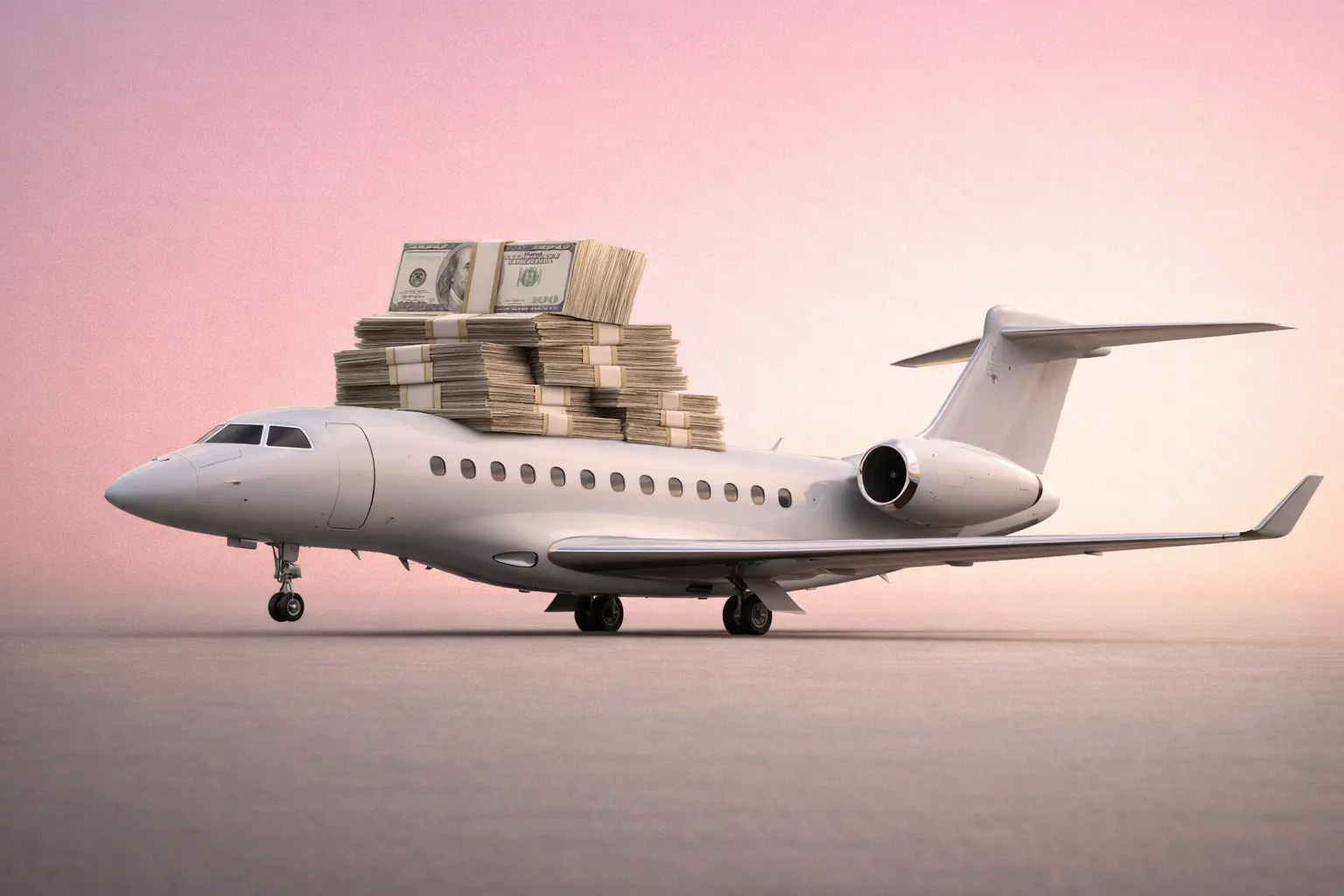
You know how people say owning a boat is a hole in the water you throw money into? Well, private jets are kind of the same thing. Only instead of water, it's the sky. And instead of thousands, you're dealing with millions.
I've been looking into what it actually costs to own a private jet, both around the world and specifically in Africa. And here's the thing. There's no simple answer. Especially not for Africa.
Let me break down what I found.
The Global Baseline for Private Jet Operating Costs
First, let's talk about what private jet ownership costs everywhere else. Because even in places with great infrastructure and stable economies, this is expensive.
When you buy a private jet, the purchase price is just the start. After that, you've got two main types of costs that will eat into your bank account every single year.
Fixed costs are the ones you pay whether the plane flies or sits in a hangar collecting dust. These include:
- Crew salaries: which can easily hit $500,000 per year for larger jets that need two pilots plus cabin crew.
- Insurance: anywhere from $15,000 to $85,000 depending on your plane.
- Hangar fees: ranging from $2,400 for basic outdoor parking to over $200,000 annually for a climate-controlled spot in a major city.
- Maintenance checks: regular certifications and inspections required for airworthiness.
Then you've got variable costs. These go up and down based on how much you actually fly.
- Fuel: The big one. It typically accounts for 25% to 35% of total operating costs. If you're flying a heavy jet for 400 hours a year, you could easily spend $800,000 just on fuel.
- Maintenance: Usually running about 5% to 10% of what the aircraft originally cost. And that's in a good year.
- Major Overhauls: If you need an engine overhaul on a larger jet, that single event can run you over $1 million.
Most analysts agree that for ownership to make financial sense compared to when you charter a private jet in Kenya, you should be logging between 200 and 400 flight hours per year. Below 150 hours? You're probably better off chartering.
Breaking Down Fixed Costs for Operations in Africa
Here's what those fixed costs actually look like when you're operating in Africa.
- Crew salaries: depend heavily on where you base your operation. A two-pilot crew plus cabin attendant for a midsize jet might cost you $300,000 to $500,000 annually if you're hiring internationally experienced crews. Local crews can be cheaper, but finding qualified personnel with the right certifications is challenging in many African markets.
- Insurance: in Africa typically runs 20% to 40% higher than global averages. That $25,000 policy for a light jet in Europe? Expect $30,000 to $35,000 for African operations. Insurers price in the infrastructure risk, political instability, and higher accident rates.
- Hangar costs: vary wildly by location. Johannesburg might run you $80,000 to $150,000 per year for quality covered storage. Lagos could be $60,000 to $120,000. Smaller markets might seem cheaper at $30,000 to $50,000, but you'll pay in other ways through less reliable facilities and security concerns.
- Regulatory fees: navigation fees, and unexpected airport charges that can add another $20,000 to $50,000 annually depending on your routes.
How the Size of Your Aircraft Impacts Annual Costs
The type of jet you choose changes everything, especially when following a guide to luxury jets for your selection.
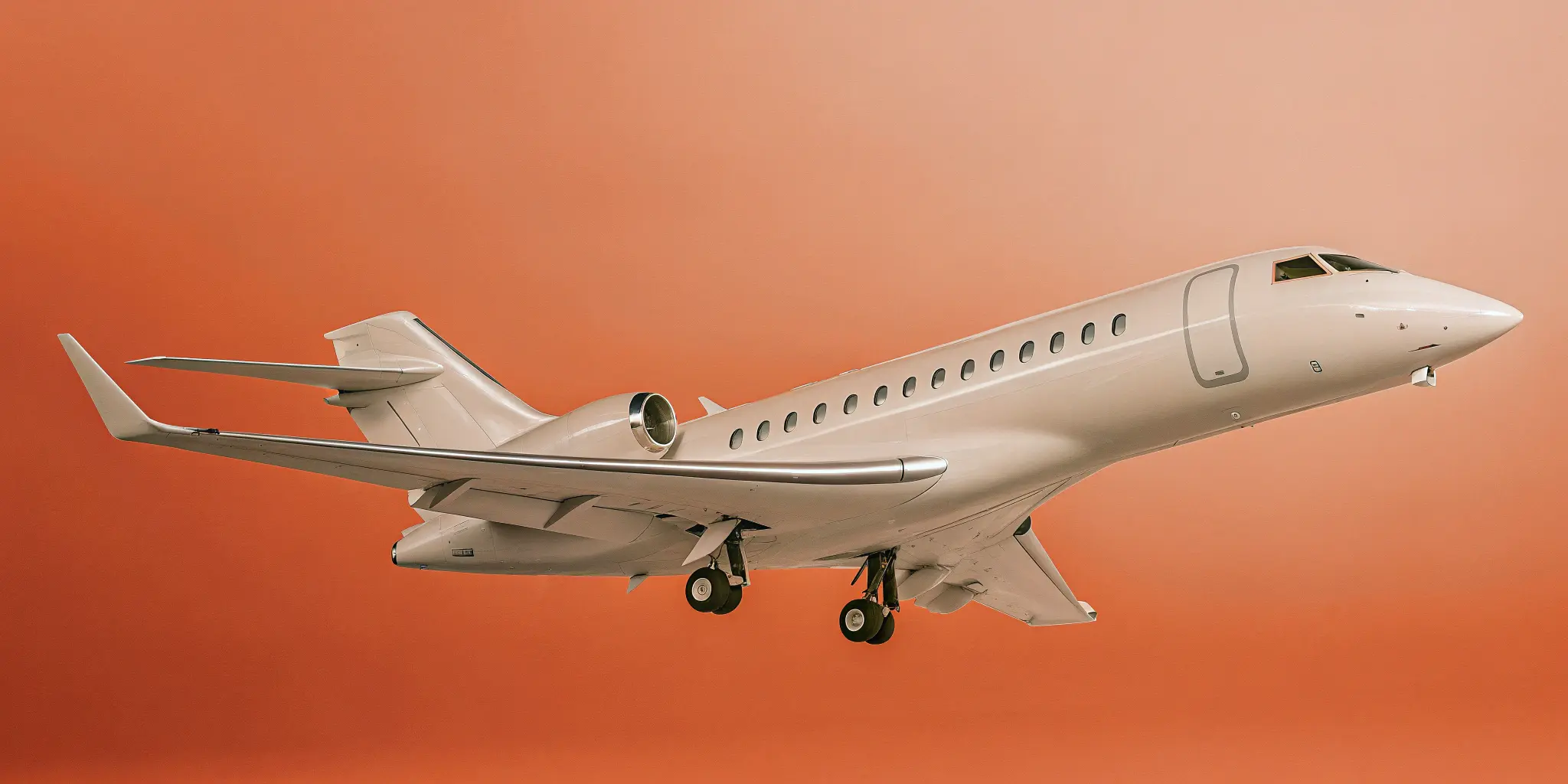
- Very light jets: might cost you between $140,000 and $360,000 per year to operate. Not cheap, but manageable if you've got the budget.
- Light jets: bump that up to $360,000 to $640,000 annually.
- Midsize jets: you're looking at $500,000 to $800,000 per year.
- Heavy and ultra-long-range jets: can easily exceed $1.2 million in annual operating costs. Some of these planes cost over $7,600 per hour just to operate.
Why such a big difference? Bigger planes burn more fuel. They need more crew. They require bigger hangars. They cost more to maintain. Everything scales up.
Why Calculating Private Jet Costs in Africa Is Rarely Straightforward
Here's where it gets really interesting. And by interesting, I mean complicated.
You can't give an average cost for owning a private jet in Africa. The continent is too diverse. Too fragmented. Each country has its own economy, its own regulations, and its own infrastructure problems.
Some recent market data suggests the Middle East and Africa business jet market will grow from $1.54 billion in 2026 to $2.31 billion by 2031. But that's total market size. It doesn't tell you what it costs to actually own and operate a plane in Lagos versus Johannesburg versus Nairobi.
The biggest problem? Infrastructure. Or lack of it.
Many airports across Africa have inadequate facilities. This leads to:
- Delays: Inconsistent ground handling and navigation services.
- Inefficiencies: Poor layout and lack of specialized gear.
- Maintenance issues: Unplanned inspections triggered by substandard parts or inconsistent maintenance practices.
If your plane gets grounded unexpectedly, you're still paying all those fixed costs. Crew salaries. Insurance. Hangar fees. But you're not flying. You're not making money. You're just bleeding cash. For a new operator especially, one major grounding event can wipe out months or even a full year of profits. This is why robust aviation services for the mining and oil gas sector are so critical for businesses operating in remote areas.
Outside of a few major hubs, there's a real shortage of world-class hangars and maintenance facilities. Premium secure storage is either hard to find or extremely expensive.
The Factors That Drive Up Costs Across the Continent
Beyond infrastructure, there are economic issues that make planning nearly impossible.
Many Sub-Saharan African countries have historically subsidized fuel. When these subsidies get removed or changed, fuel prices can jump suddenly and unpredictably. You thought you had your fuel budget figured out? Think again.
And here's another fun fact. About 55% to 60% of global airline costs are in US dollars.
- Fuel, insurance, imported aircraft parts: All priced in dollars.
- Currency gaps: If you're operating in a country with a weak or unstable currency, every time the dollar strengthens against your local currency, your real costs go up.
- Budgeting risks: You might budget for a certain amount in local currency, then find out six months later that it's actually costing you 20% more because of exchange rates.
Why Fixed Costs are the Real Killer for African Operations
Remember those fixed costs I mentioned? They're even more painful in Africa.
When your plane is grounded (which happens more often due to logistical challenges and infrastructure issues), those costs keep piling up. Crew still needs to get paid. Insurance is still due. The hangar space still costs money. But you're not flying. You're not generating revenue.
This makes your choice of home base absolutely critical.
- Major Hubs: Operating out of Johannesburg or Dubai? You'll have access to competitive rates, reliable infrastructure, and experienced maintenance providers. Your costs will be closer to global averages.
- Regional Airports: Operating from a smaller regional airport? Higher ground handling fees. Less competitive fuel pricing. More frequent delays. All of which increase your per-hour operating costs.
Hangar costs alone can vary wildly. In a major metro area with premium heated hangars, you could pay over $200,000 per year. In a smaller market, you might pay much less. But you'll probably face other challenges that cost you in different ways.
What to Consider Before Buying a Private Jet in Africa
If you're considering buying a private jet to operate in Africa, here's what you need to know.
- Usage requirements: That 200 to 400 hours per year guideline? In Africa, you probably need to be at the higher end—maybe even above 400 hours. You need enough flight time to cover those fixed costs before an unexpected grounding hits you.
- The Charter Alternative: If you're planning to fly less than 150 hours per year, chartering is almost certainly the smarter financial move. You convert those scary fixed costs into variable ones. You only pay when you fly.
- Market Hubs: Choose your primary base carefully. Look for modern infrastructure, multiple reputable operators, and access to skilled maintenance crews. The difference between operating from a major hub versus a smaller airport can make or break your economics.
- The Buffer: You absolutely need a contingency fund. This isn't optional. Unexpected maintenance happens. Groundings happen. Currency fluctuations happen. You need a financial buffer to absorb these hits without destroying your operation.
- Hedging: If you're earning revenue in local currency but most of your costs are in dollars, you need to think about hedging strategies. Talk to financial advisors who understand currency risk.
Common Questions About Owning a Private Jet in Africa
What's the cheapest private jet to own in Africa?
Very light jets offer the lowest entry point at $140,000 to $360,000 annually. But in Africa, you should budget an extra 15% to 25% for infrastructure challenges. That puts your realistic minimum around $160,000 to $450,000 per year. Still not cheap, but it's the floor.
Is it cheaper to charter or own a private jet in Africa?
If you fly less than 150 hours per year, chartering wins every time. Between 150 and 400 hours, it depends on your specific situation and risk tolerance. Above 400 hours annually, ownership might make financial sense. But only if you have deep pockets for unexpected costs.
What are the biggest cost surprises for private jet owners in Africa?
Unplanned groundings are the killer. Your plane sits idle due to parts availability or maintenance issues, but you're still paying crew salaries, insurance, and hangar fees. One major grounding can cost you $50,000 to $200,000 in lost revenue plus ongoing fixed costs. Most new operators don't budget enough cushion for this.
How much does jet fuel cost in Africa compared to other regions?
Fuel prices in Africa are volatile and can swing 20% to 40% based on subsidy changes and local economic conditions. While fuel globally accounts for 25% to 35% of operating costs, in Africa you need to plan for sudden spikes. Budget for the high end and hope for better.
Which African cities have the best infrastructure for private jet operations?
Johannesburg, Cape Town, Cairo, and Nairobi offer the most reliable infrastructure. Dubai (technically Middle East but serves African routes) is also excellent. These hubs have competitive pricing, good MRO facilities, and experienced operators. Operating from smaller cities can add 20% to 40% to your annual costs.
Can you finance a private jet for African operations?
Yes, but lenders price in the higher risk. Expect interest rates 2% to 4% higher than financing in developed markets. Most lenders will also require larger down payments (30% to 40% versus 20% to 25% elsewhere) and may mandate operations from specific approved airports.
The Bottom Line on Private Jet Ownership in Africa
So what does it cost to own a private jet in Africa?
The honest answer is that there is no single answer. It depends on too many variables. The type of aircraft. Where you base it. How much you fly. How good your planning is. How lucky you are with maintenance.
Globally, you're looking at anywhere from $140,000 per year for a very light jet to over $1.2 million for a heavy jet. In Africa, expect those numbers to be higher and more unpredictable. Especially the fixed costs. Especially when things go wrong.
If you can't commit to high utilization rates, have a solid financial cushion for emergencies, and base yourself somewhere with decent infrastructure, private jet ownership in Africa is a risky proposition.
But if you can check all those boxes and you really need that flexibility and control, it's possible. Just go in with your eyes open about what you're getting into.
Because unlike that hole in the water, this hole is in the sky. And it's a very, very expensive hole.
Ready to explore ownership?
Browse our current aircraft listings to find the perfect fit for your African operations. From light jets to ultra-long-range aircraft, we help you navigate the complexities of ownership from acquisition to operation.